
Articles & Insights

IQF Technology
Technology

IQF Freezing Technology

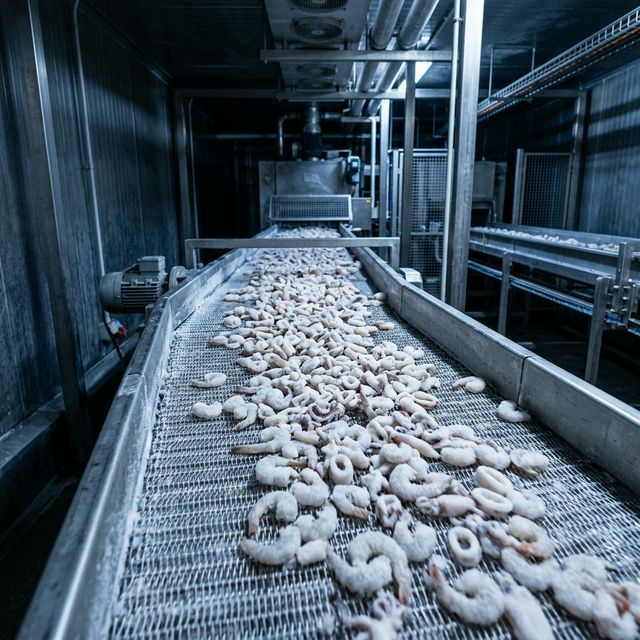
IQF (Individual Quick Freezing) technology excellently preserves the quality of seafood, maintaining its fresh taste.

IQF is a rapid freezing process for each individual piece of product. By using very low temperatures in a short time, the ice crystals formed are small and do not damage the tissue of the food. As a result, when thawed, the food still retains a taste, texture, and nutritional value close to its fresh state.

The IQF process uses temperatures around -30°C to -40°C in the freezing tunnel. The food passes through a conveyor belt, taking only 10-30 minutes depending on the size of the product. This technology keeps each piece separated instead of lumping together, making it convenient to use and reducing loss from thawing. Furthermore, it helps prevent bacterial growth, extending the shelf life to more than 12-24 months without any chemicals or preservatives, ensuring maximum safety for consumers.

HACCP Standards
Standard

HACCP Standards in the Seafood Industry

HACCP is a hazard analysis and critical control points system focused on ensuring food safety.

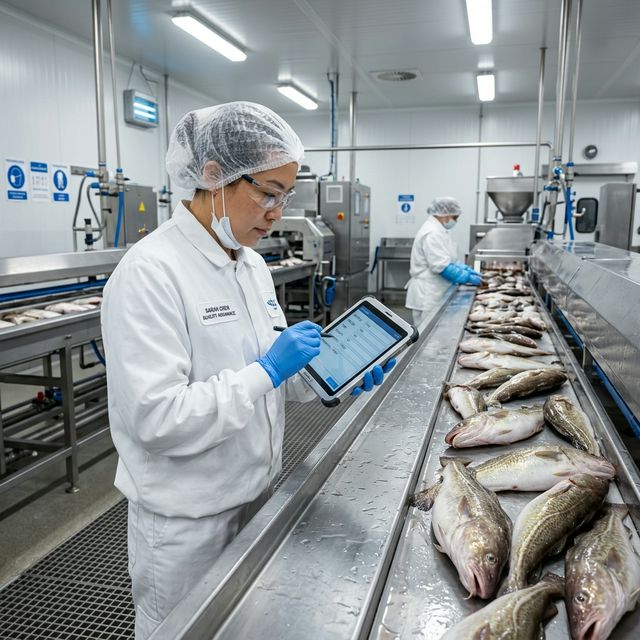
The HACCP (Hazard Analysis and Critical Control Points) system is an international standard used to control food safety throughout the production process, from receiving raw materials to delivering the product to consumers. It focuses on preventing potential hazards at every single step.

The HACCP system consists of 7 key principles: conducting a hazard analysis, identifying critical control points, establishing critical limits, monitoring procedures, corrective actions, verification procedures, and record-keeping. In the seafood industry, essential critical control points include temperature control during transport, cleaning and sanitization on the production line, checking for chemical residues, and sorting quality raw materials. This standard is mandatory for exporting seafood to the EU, USA, Japan, and most developed countries worldwide.

Seafood Nutrition
Nutrition

Nutrition and Value of Seafood

Seafood is a high-quality protein source rich in Omega-3 fatty acids, vitamins, and essential minerals for the body.

Seafood is considered one of the best sources of protein. It contains complete amino acids, is easy to digest, and has lower fat than other types of meat. Shrimp, squid, and shellfish are excellent protein sources, possessing up to 15-25 grams of protein per 100 grams.

Omega-3 fatty acids, found abundantly in marine fish, help reduce the risk of heart disease, lower triglyceride levels, and aid brain development. Additionally, seafood is rich in Vitamin B12, Vitamin D, Iodine, Zinc, Iron, and Selenium, which is a crucial antioxidant. The World Health Organization recommends consuming seafood at least 2-3 times a week for sustainable good health.

Modern Freezing
Technology

Modern Freezing Innovations in the Food Industry

Freezing technology has advanced dramatically, moving from slow freezing to cryogenic systems utilizing liquid nitrogen.

Modern freezing is no longer limited to just IQF. Currently, there are various technologies, such as Cryogenic Freezing, which uses liquid nitrogen or carbon dioxide to lower temperatures very rapidly, ensuring the highest product quality. Impingement Freezing strictly uses high-pressure cold air blown directly onto the product, suitable for small and thin seafood.

The Spiral Freezer system is popular in large factories. With its spiral conveyor belt design, it saves space and supports mass production. Each technology has different advantages, and the choice depends on product type, production volume, and budget. The crucial element is that every technology must strictly control temperature to guarantee optimal food quality and utmost safety.

Food Safety Standards
Standard

BRC and IFS Standards for the Food Industry

BRC and IFS are international food safety standards globally recognized in Europe and around the world.

BRC Global Standards (British Retail Consortium) is a comprehensive standard developed in the UK that covers food safety, quality, legality, and manufacturer responsibility. Facilities certified by BRC must have a robust quality management system enveloping everything from the factory structure and production processes to daily personnel management.

IFS (International Featured Standards) originated in Germany and France. It aims at food safety and quality similarly to BRC but emphasizes manufacturing processes and continuous improvement. Both BRC and IFS are recognized by GFSI (Global Food Safety Initiative), making them accepted in the global market. Attaining these rigorous standards opens trade opportunities and builds trust with global partners worldwide.

Seafood Supply Chain
Industry

Seafood Supply Chain — From the Sea to the Plate

Effectively managing the seafood supply chain is the core of maintaining product quality and sustainable freshness.

The Seafood Supply Chain encompasses everything from catching or culturing aquatic animals, transporting raw materials, processing, storing, to distributing products until they are served to consumers. Every single logistics step must strictly control temperatures under precise Cold Chain Management to sustain maximum freshness and safety.

Traceability is another critical component that helps track the origin of raw materials throughout the entire chain, from fishing vessels or aquaculture farms to finished retail products. Phenomenal supply chain management also fully embraces environmental responsibility, sustainable fishing, and taking care of labor welfare, which are increasingly vital factors highly valued in the global market.